Luxury yachts are designed to operate in demanding marine environments, but constant exposure to saltwater and salty air creates long-term risks that many owners underestimate. While salt exposure may seem like a normal part of life at sea, its cumulative effects can seriously impact a yacht’s structure, systems, appearance, and long-term value.
In Mediterranean locations such as Mallorca, where yachts are exposed to heat, humidity, and salt-rich air throughout most of the year, preventive maintenance becomes essential. Without proper care, salt accumulation can quietly damage critical components and lead to expensive repairs that could have been avoided.
Understanding how salt affects a yacht is the first step toward protecting the vessel and reducing unnecessary maintenance costs.
Why Salt Is So Damaging to Yachts
Salt is highly corrosive, especially when combined with moisture and oxygen. Marine environments constantly expose yachts to microscopic salt particles that settle on metal surfaces, electrical systems, engines, and exterior finishes.
Even when a yacht is not actively sailing, salt remains present in the surrounding air inside marinas and coastal areas. Over time, this continuous exposure accelerates deterioration across multiple areas of the vessel.
Luxury yachts are particularly vulnerable because they often include advanced technology, premium materials, and sophisticated onboard systems that require careful protection.
Corrosion of Metal Components
One of the most serious consequences of salt exposure is corrosion. Metal parts that remain exposed to salty air or seawater can gradually weaken and deteriorate.
Corrosion affects a wide range of yacht components, including:
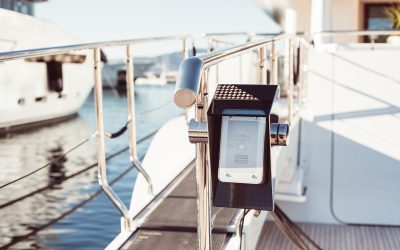
- Railings and deck fittings
- Propellers and shafts
- Hydraulic systems
- Engine components
- Anchoring systems
- Metal structural elements
In many cases, corrosion begins in areas that are difficult to see. By the time visible damage appears, internal deterioration may already be advanced.
Salt Damage to Electrical Systems
Modern luxury yachts rely heavily on electrical and electronic systems. Navigation equipment, stabilization systems, lighting, entertainment systems, and onboard automation all depend on reliable electrical performance.
Salt particles combined with humidity create ideal conditions for electrical corrosion. Connections, wiring, and electronic components can slowly deteriorate over time.
This often leads to:
- Electrical failures
- Short circuits
- Sensor malfunctions
- Navigation system issues
- Unexpected battery drain
Electrical problems caused by salt exposure can be particularly expensive because diagnosing hidden corrosion within wiring systems is often complex and time-consuming.
Damage to Exterior Surfaces and Finishes
Salt exposure also affects the visual appearance of luxury yachts. Constant contact with salty air and water gradually damages exterior surfaces and protective finishes.
Without regular cleaning and maintenance, owners may notice:
- Oxidation on metal surfaces
- Fading paint and coatings
- Water stains and salt marks
- Deterioration of teak decking
- Reduced shine on gelcoat surfaces
Luxury yachts require consistent care to maintain their appearance and preserve their market value.
The Impact of Salt on Engines and Mechanical Systems
Salt exposure can also affect engines and mechanical systems, particularly when maintenance routines are neglected.
Cooling systems are especially vulnerable because saltwater circulates through critical engine components. If these systems are not properly cleaned and maintained, salt deposits can accumulate and reduce efficiency.
Over time, this may lead to overheating, corrosion inside cooling passages, and premature mechanical wear.
Mechanical systems exposed to salty environments also require regular lubrication and inspection to prevent deterioration.
Why Mallorca’s Climate Increases the Risk
Mallorca offers ideal boating conditions, but the local marine environment can accelerate salt-related deterioration.
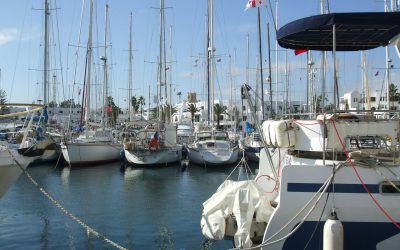
High humidity levels combined with warm temperatures create conditions where salt remains active for long periods. Even yachts kept in marinas without frequent use continue accumulating salt particles on exposed surfaces.
This means that vessels stored long-term or left unattended may still experience significant corrosion and deterioration if regular inspections are not performed.
How to Protect a Yacht from Salt Damage
Preventing salt damage requires a proactive maintenance strategy. Consistent cleaning, inspections, and professional servicing are essential.
Some of the most important preventive measures include:
- Regular freshwater washing after navigation
- Routine inspections of metal components
- Protective anti-corrosion treatments
- Maintenance of engine cooling systems
- Frequent checks of electrical systems
- Professional cleaning of exterior surfaces
Professional yacht maintenance teams can also identify early signs of corrosion before serious damage develops.
The Financial Cost of Ignoring Salt Exposure
Many yacht owners underestimate how expensive salt-related damage can become over time.
Minor corrosion problems can eventually require major repairs or replacement of critical systems. Electrical repairs, engine damage, and restoration of exterior finishes can quickly generate significant costs.
In addition to repair expenses, poor maintenance may also reduce the resale value of the yacht.
Preventive maintenance is almost always less expensive than corrective repairs caused by long-term salt exposure.
Professional Yacht Maintenance in Mallorca
Because of the demanding marine conditions in the Mediterranean, many yacht owners in Mallorca rely on professional maintenance services throughout the year.
Regular inspections, cleaning routines, and preventive maintenance programs help protect vessels against salt damage and maintain optimal performance.
Professional yacht service teams can also monitor the condition of critical systems during winter storage or long periods of inactivity.
Conclusion
Salt exposure is one of the most important long-term threats to luxury yachts. Corrosion, electrical damage, mechanical deterioration, and surface wear can all develop gradually if preventive maintenance is neglected.
In environments like Mallorca, where yachts remain constantly exposed to salt-rich air and humidity, regular maintenance and professional inspections are essential for protecting the vessel and preserving its value.
If you want to protect your yacht from the long-term effects of salt exposure, our team provides professional yacht maintenance and inspection services in Mallorca. Contact us to discuss the best maintenance solution for your vessel.